

Common Lawn Care Myths That Are Costing Your Grass

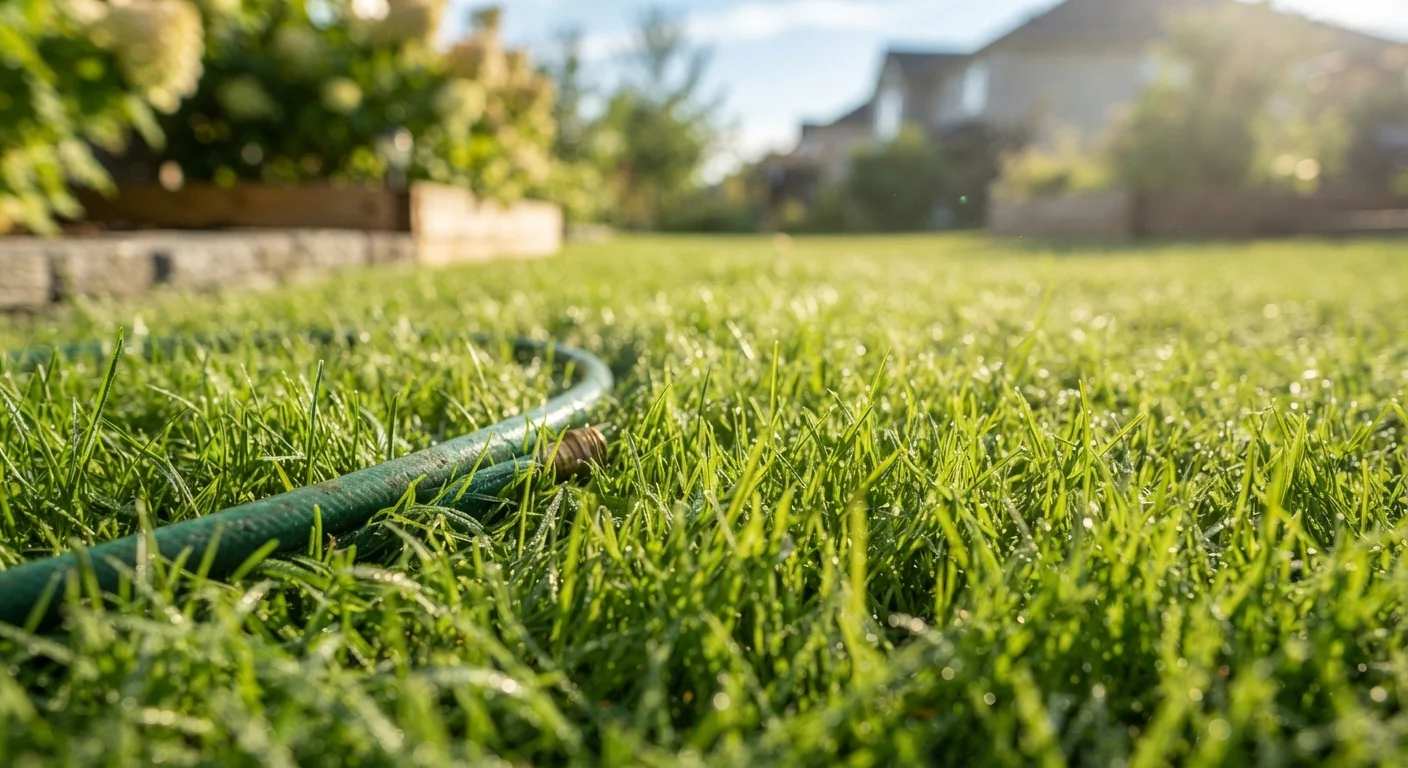
Photo: signaturehomeideas.com editorial
Key Takeaways
- Watering every day keeps grass roots shallow and weak; deep, infrequent watering builds stronger turf.
- Cutting grass very short does not reduce mowing frequency and often invites weeds and heat stress.
- Fertilizing more than necessary can burn grass and push rapid growth that weakens the plant over time.
- Grass clippings left on the lawn do not cause thatch; they decompose and return nutrients to the soil.
- Brown summer grass is often dormant, not dead, and recovers with cooler temperatures or resumed watering.
Why lawn care myths persist
Many common lawn practices passed down through neighborhoods and gardening forums were never based on research. They spread because they seem logical on the surface: water more to get more green, cut lower to mow less often, fertilize heavily for fast results. The trouble is that grass does not respond to inputs the way intuition suggests.
Understanding how grass plants actually grow, where they store energy, and how their roots behave changes the way you approach the lawn. The myths below are among the most widespread, and correcting them tends to produce noticeable improvement with less effort and fewer inputs. Just as common misconceptions affect other areas of home maintenance (see how cleaning myths can backfire indoors), they can cause real setbacks outdoors too.
The myths, corrected
Each of the following misconceptions is grounded in something plausible, which is part of why they stick. The corrections below pull from established turfgrass science rather than guesswork.
Myth
Watering your lawn a little every day keeps it healthy and green.
Fact
Shallow, daily watering trains roots to stay near the surface, making grass more vulnerable to heat and drought.
Grass roots grow toward moisture. When water only ever reaches the top inch or two of soil, roots stop going deeper. Shallow roots dry out faster during hot spells and cannot access nutrients lower in the soil profile.
A better approach is to water deeply two or three times per week, applying enough to wet the soil 6 to 8 inches down. You can check depth with a screwdriver: it should slide into moist soil without much resistance. Watering early in the morning reduces evaporation and gives blades time to dry before nightfall, which limits fungal disease.
Myth
Cutting grass as short as possible means you mow less often.
Fact
Scalping the lawn stresses grass plants, exposes soil to sunlight, and actually encourages weeds and faster regrowth.
Each grass blade is a solar panel for the plant below it. Remove too much at once and the grass diverts energy from root growth to replacing leaf tissue as quickly as possible, which can mean faster top growth, not slower.
The standard guidance from turfgrass researchers is to follow the one-third rule: never cut more than one-third of the blade length in a single mowing. For most cool-season grasses such as Kentucky bluegrass or tall fescue, a mowing height of 3 to 4 inches is healthier than a close cut. Taller grass shades the soil, slowing weed seed germination and holding moisture longer.
Myth
Leaving grass clippings on the lawn causes thatch buildup.
Fact
Grass clippings are mostly water and decompose quickly; they do not meaningfully contribute to thatch.
Thatch is a layer of dead stems, roots, and rhizomes that builds up between the soil surface and the green grass above. It accumulates when lignin-rich plant material decomposes more slowly than it is produced. Grass clippings are low in lignin and high in moisture, so they break down within days.
Returning clippings to the lawn is actually beneficial. As they decompose, they release nitrogen and other nutrients back into the soil, reducing how much supplemental fertilizer the lawn needs. If thatch is a problem in your yard, the likely culprits are excessive fertilization (which causes overly rapid growth), heavy clay soil, or infrequent aeration, not clippings.
Myth
Brown grass in summer is dead and needs to be replaced.
Fact
Many cool-season grass varieties go dormant during heat or drought stress; the crown of the plant remains alive and recovers when conditions improve.
Grass enters dormancy as a survival mechanism when temperatures are high and water is scarce. The blades brown and stop growing, but the crown (the growing point at soil level) and the root system generally stay alive for several weeks even without water, depending on the grass type and soil conditions.
Before assuming the lawn is dead, look at the crowns just above the soil surface. If they are still white or cream-colored and firm, the grass is dormant. Green color typically returns within two to four weeks of consistent rain or resumed irrigation. If you choose to keep dormant grass alive through summer, apply about half an inch of water every two weeks, which is enough to sustain the crown without fully breaking dormancy.
Myth
More fertilizer means greener, healthier grass.
Fact
Over-fertilizing, especially with fast-release nitrogen products, can burn grass, deplete soil microbial life, and produce weak, disease-prone growth.
Rapid nitrogen pushes fast blade growth at the expense of root development. The result is lush-looking grass that is structurally weak, prone to fungal disease, and less tolerant of traffic or drought. Excess fertilizer that washes off during rain also runs into stormwater systems, contributing to water quality problems.
Soil testing is the most reliable way to know what your lawn actually needs. Many cooperative extension services offer low-cost soil tests that tell you existing nutrient levels and pH. Based on those results, you can apply only what is lacking. For most established home lawns, one to two fertilizer applications per year timed to active growth periods (fall for cool-season grasses, late spring for warm-season types) is enough to maintain healthy turf.
1/3
Maximum blade length to remove per mowing
Turfgrass management guidelines consistently recommend never removing more than one-third of the blade in a single cut.
6-8 in.
Target soil depth for deep watering
Wetting the soil to this depth encourages roots to grow downward, improving drought tolerance.
2-3x/week
Recommended watering frequency for most lawns
Deep, infrequent watering sessions replace daily light watering for stronger root systems.
This article is for informational purposes only. Lawn care outcomes vary based on grass type, climate, soil conditions, and local water restrictions. Verify any fertilizer or pesticide use with your local extension service and follow all label directions.
Common warning signs you are following a myth
Watch for signs of over-watering
Test your soil before adding anything
Thin, pale grass despite regular fertilizing, fungal patches after rain, or weeds that spread despite mowing are all signs that a standard practice may be backfiring. Changing one variable at a time makes it easier to identify what is actually driving poor results. Start with watering depth and mowing height before adjusting fertilizer schedules, since those two factors affect more of the lawn's biology than most homeowners expect.
The content provided on our blog site traverses numerous categories, offering readers valuable and practical information. Readers can use the editorial team’s research and data to gain more insights into their topics of interest. However, they are requested not to treat the articles as conclusive. The website team cannot be held responsible for differences in data or inaccuracies found across other platforms. Please also note that the site might also miss out on various schemes and offers available that the readers may find more beneficial than the ones we cover.