

Your First Vegetable Garden: A Season-by-Season Walkthrough

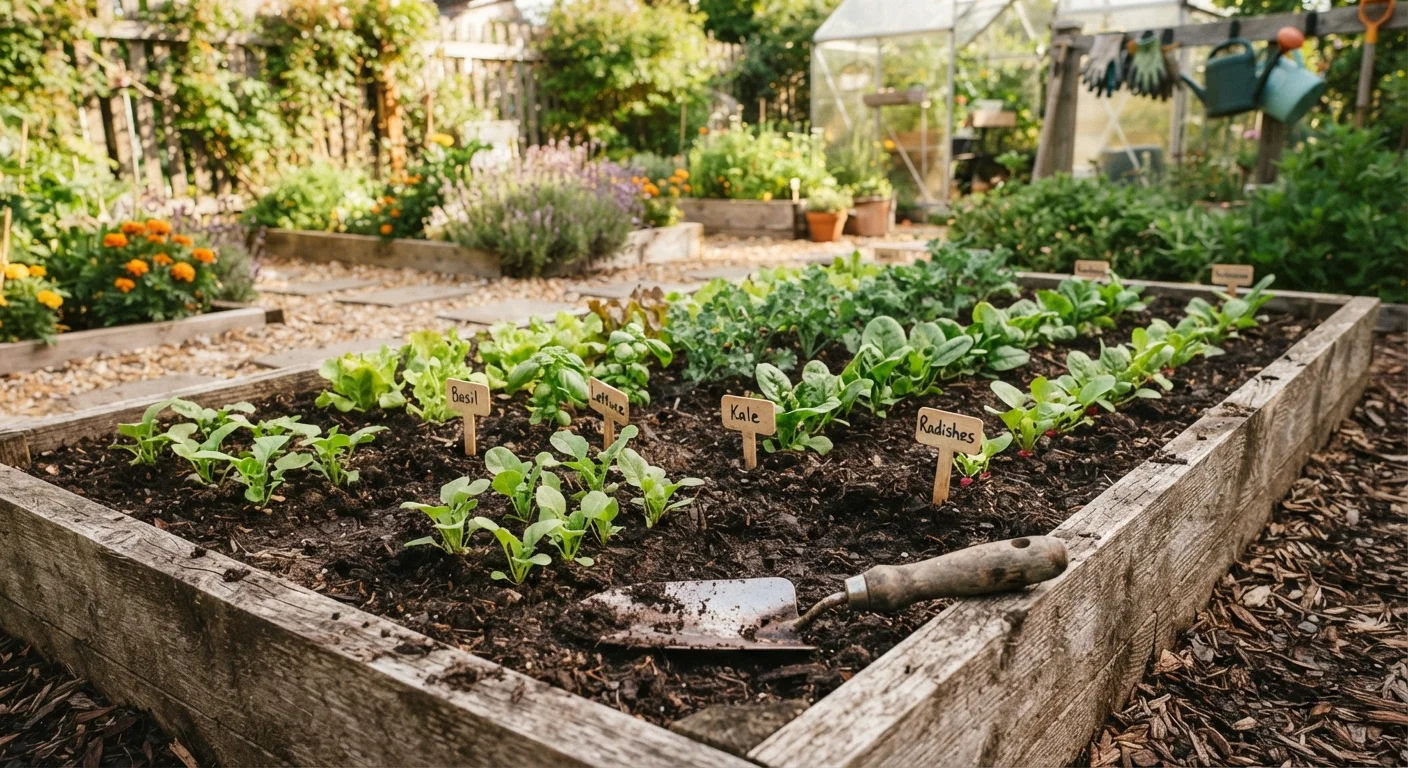
Photo: signaturehomeideas.com editorial
Key Takeaways
- Choose a spot with at least 6 hours of direct sunlight daily before buying a single seed.
- Amending your native soil with compost before planting season is the single most productive step you can take.
- Cool-season crops like lettuce and peas go in early spring; warm-season crops like tomatoes wait until after your last frost date.
- Consistent watering and early weed removal prevent the most common beginner failures.
- A 4-by-8-foot bed is enough for a meaningful first harvest without becoming overwhelming.
Before you dig: planning your garden space
A vegetable garden asks two things of a site: sunlight and access. Most vegetables need at least six hours of direct sun each day; eight is better for fruiting crops like tomatoes and peppers. Walk your yard at midday and observe which areas stay sunny. Avoid spots directly under trees, where roots compete for water and nutrients.
Once you have a location, decide on size. A 4-by-8-foot bed produces a meaningful harvest for one or two people without becoming a second job. Sketch it out on paper, then consult our landscape planning guide if you want the vegetable bed to fit into a larger yard design.
Think about water access before building anything. A spigot within 50 feet of the bed makes consistent watering realistic; further than that and most people stop doing it regularly.
Check for buried utilities before digging
Last frost date
The average calendar date after which freezing temperatures are unlikely in your area. Warm-season crops cannot go in the ground until after this date.
Direct sow
Planting seeds straight into garden soil rather than starting them indoors in trays first.
Hardening off
Gradually exposing seedlings started indoors to outdoor conditions over one to two weeks so they can adjust before being transplanted.
Soil amendment
Any material mixed into soil to improve its texture, drainage, or fertility. Compost is the most common amendment for vegetable gardens.
Cover crop
A plant sown in the off-season to protect bare soil, add organic matter, and sometimes fix nitrogen. Crimson clover and winter rye are common choices.
Not every yard suits an in-ground bed
Spring: preparing soil and planting cool-season crops
Soil preparation is the work that pays off for the entire season. Dig or till the top 10 to 12 inches, remove rocks and debris, then mix in 2 to 3 inches of compost. This improves drainage in clay soils and water retention in sandy ones. Rake the surface level before planting.
Track your last frost date
Cool-season crops tolerate light frost and prefer soil temperatures between 45 and 65 degrees Fahrenheit. Lettuce, spinach, peas, kale, radishes, and carrots all fall into this category. Direct sow most of them four to six weeks before your last frost date. Follow the packet's depth and spacing instructions: crowded seedlings compete and produce less.
Start warm-season crops indoors at the same time. Tomatoes, peppers, and eggplant need six to eight weeks of indoor growth before transplanting. Keep them under a grow light or in a very sunny south-facing window, and begin hardening them off about two weeks before your last frost date.
Summer: warm-season planting and ongoing care
After your last frost date passes and nighttime temperatures stay reliably above 50 degrees Fahrenheit, transplant tomatoes, peppers, and eggplant into the bed. Direct sow beans, squash, cucumbers, and corn at the same time. These crops germinate fast and do not transplant well.
Water is the main variable to manage through summer. Aim for one inch per week, delivered at the soil level rather than overhead. Wet foliage invites fungal disease. A soaker hose or drip line makes this straightforward.
Weeds compete directly with vegetables for water and nutrients. Pull them when they are small, before they set seed. A 2-inch layer of straw or wood chip mulch around plants slows new weed germination and also conserves soil moisture. Check plants every few days: small pest problems caught early, like aphid clusters or squash vine borer eggs, are far easier to manage than infestations.
Harvest regularly. Leaving mature vegetables on the plant signals it to stop producing. Pick beans, cucumbers, and zucchini every two to three days during peak season.
Fall: late harvests and putting the garden to bed
As temperatures drop in late summer, direct sow a second round of cool-season crops: lettuce, spinach, arugula, and kale can all produce harvests before hard frost arrives. Count back from your average first fall frost date and plant accordingly, leaving enough growing days for each crop to mature.
Root vegetables like carrots and parsnips actually improve in flavor after light frost. Leave them in the ground until you are ready to use them, or until the ground begins to freeze.
Once frost kills the warm-season plants, clear the bed. Pull spent plants and add disease-free material to a compost pile. Diseased stems and leaves go in the trash, not the compost. Turn 2 to 3 inches of compost into the top layer of soil to replenish what the season's crops consumed. If you leave the bed bare over winter, cover it with a 3-inch layer of straw or sow a cover crop to protect the soil structure until spring planting begins again.
This article is for general informational purposes. Planting schedules, soil conditions, and pest pressures vary significantly by region. Consult your local cooperative extension service for guidance specific to your area.
Frequently Asked Questions
The content provided on our blog site traverses numerous categories, offering readers valuable and practical information. Readers can use the editorial team’s research and data to gain more insights into their topics of interest. However, they are requested not to treat the articles as conclusive. The website team cannot be held responsible for differences in data or inaccuracies found across other platforms. Please also note that the site might also miss out on various schemes and offers available that the readers may find more beneficial than the ones we cover.