

Landscape Planning from Scratch: Zones, Sight Lines, and Seasonal Interest

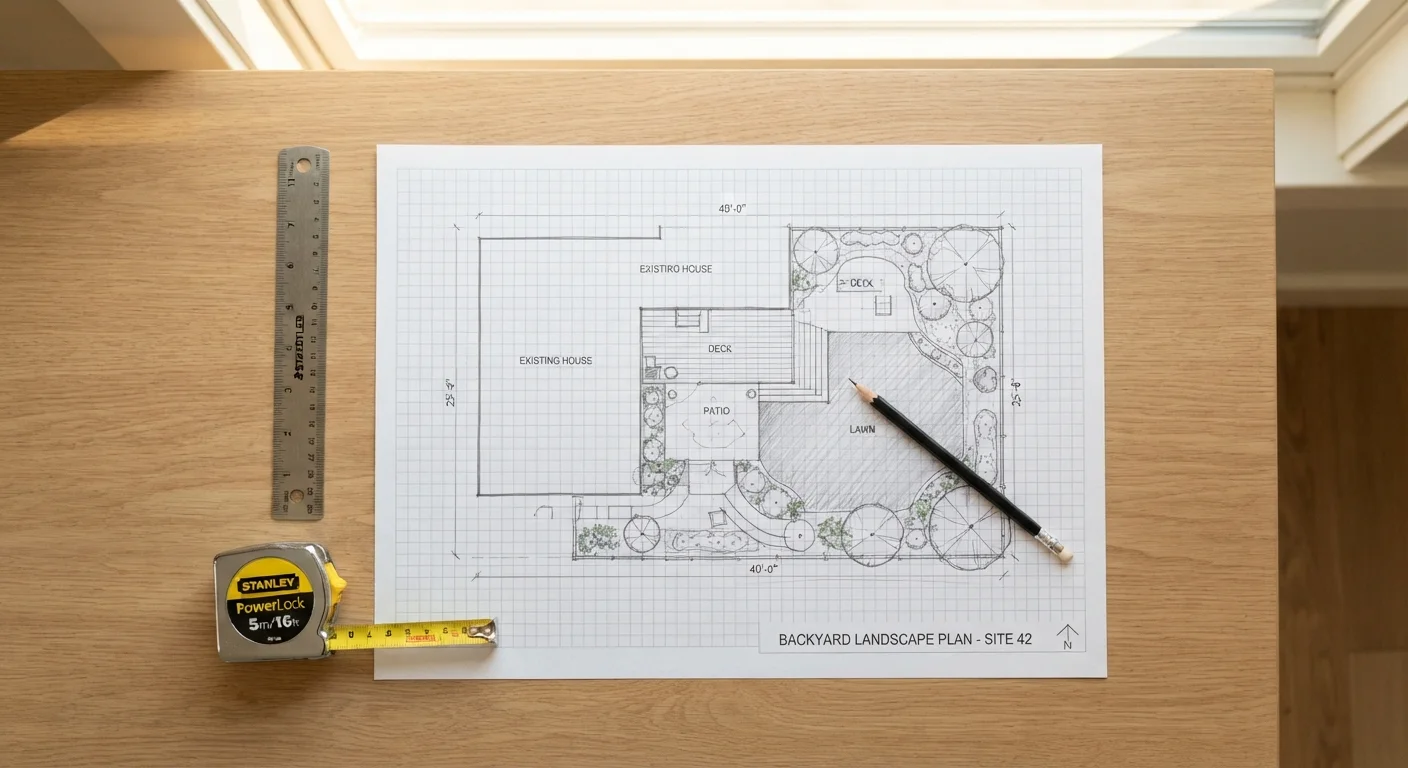
Photo: signaturehomeideas.com editorial
Key Takeaways
- A scaled base map drawn before any planting prevents costly layout mistakes.
- Grouping areas by use and maintenance level keeps the yard manageable long term.
- Sight lines from windows and doors determine which views matter most in a design.
- Choosing plants that hand off seasonal interest prevents a yard that looks good only in summer.
- Hardscape paths and surfaces should be settled before plant placement begins.
Start with a base map
Draw your property to scale on graph paper before making any other decisions. One square per foot works for most residential lots. Measure the house footprint, existing structures, mature trees you plan to keep, and any slopes that affect drainage. Mark north on the map so you can track sun exposure across the day.
This base map is a working document. Make several photocopies before you add anything, so you can test different layouts without starting over. Also call 811, the national "call before you dig" service, to have underground utility lines flagged at no cost before any digging begins. Hitting a buried line is a serious safety hazard.
Divide the yard into zones
Zoning means grouping areas by how you use them and how much time you can realistically spend on upkeep. A three-zone approach suits most lots. Zone 1 sits close to the house and covers high-use areas: a patio, a play space, or a raised vegetable bed. Zone 2 is a mid-distance ornamental band you visit a few times a week. Zone 3 is the outer perimeter, where plants largely manage themselves after establishment.
Match each zone's water and labor demands to your actual schedule. A vegetable garden in zone 1 needs daily attention; a meadow planting in zone 3 may need only one seasonal cut. For more on incorporating edible plants, a season-by-season vegetable garden walkthrough covers the basics from the ground up.
Test your zone boundaries before committing
Work with sight lines
A sight line is the view from a fixed position, usually a window, a door, or a regular outdoor seat. Identify your two or three most-used viewing points, then sketch what each currently shows and what you want it to show instead.
Tall shrubs placed at the property edge can screen an unwanted view without blocking light into the house. A small ornamental tree positioned off-center in a view frame draws the eye without closing the space. Low plantings keep sightlines open and make a small yard feel larger. Once you have mapped the views that matter, plant placement decisions become much easier to evaluate.
Plan for seasonal interest
A yard that looks good only in June represents an underused design opportunity. Work through all four seasons when selecting plants. Spring bulbs like tulips and daffodils break dormancy early. Summer perennials carry color through the hottest months. Fall brings seed heads, changing foliage, and late-blooming species such as asters. Winter structure comes from evergreens, ornamental grasses left standing through cold weather, and the branching silhouette of deciduous shrubs.
Aim for overlap: as one plant finishes flowering or fading, another should be starting. Three or four plant combinations that hand off interest across the calendar will do more for year-round appeal than a larger, poorly timed collection. Native plants often fit this role well because they are already adapted to local seasonal rhythms.
Connect the plan to hardscape
Fixed surfaces and structures set the bones of the yard; plants fill in around them. Before purchasing a single plant, decide where people will walk. A path that follows the natural desire line (the route people actually take) holds up better than one placed for looks alone. How hardscaping and softscaping work together explains how these two categories interact and why getting the balance right matters.
For seating areas, outdoor living ideas scaled for modest backyards covers options suited to average lot sizes. Once the layout is fixed, outdoor lighting can extend how long the space is usable each evening without requiring changes to the planting plan.
The content provided on our blog site traverses numerous categories, offering readers valuable and practical information. Readers can use the editorial team’s research and data to gain more insights into their topics of interest. However, they are requested not to treat the articles as conclusive. The website team cannot be held responsible for differences in data or inaccuracies found across other platforms. Please also note that the site might also miss out on various schemes and offers available that the readers may find more beneficial than the ones we cover.