

Native Plants: What They Are and Why Landscapers Keep Recommending Them

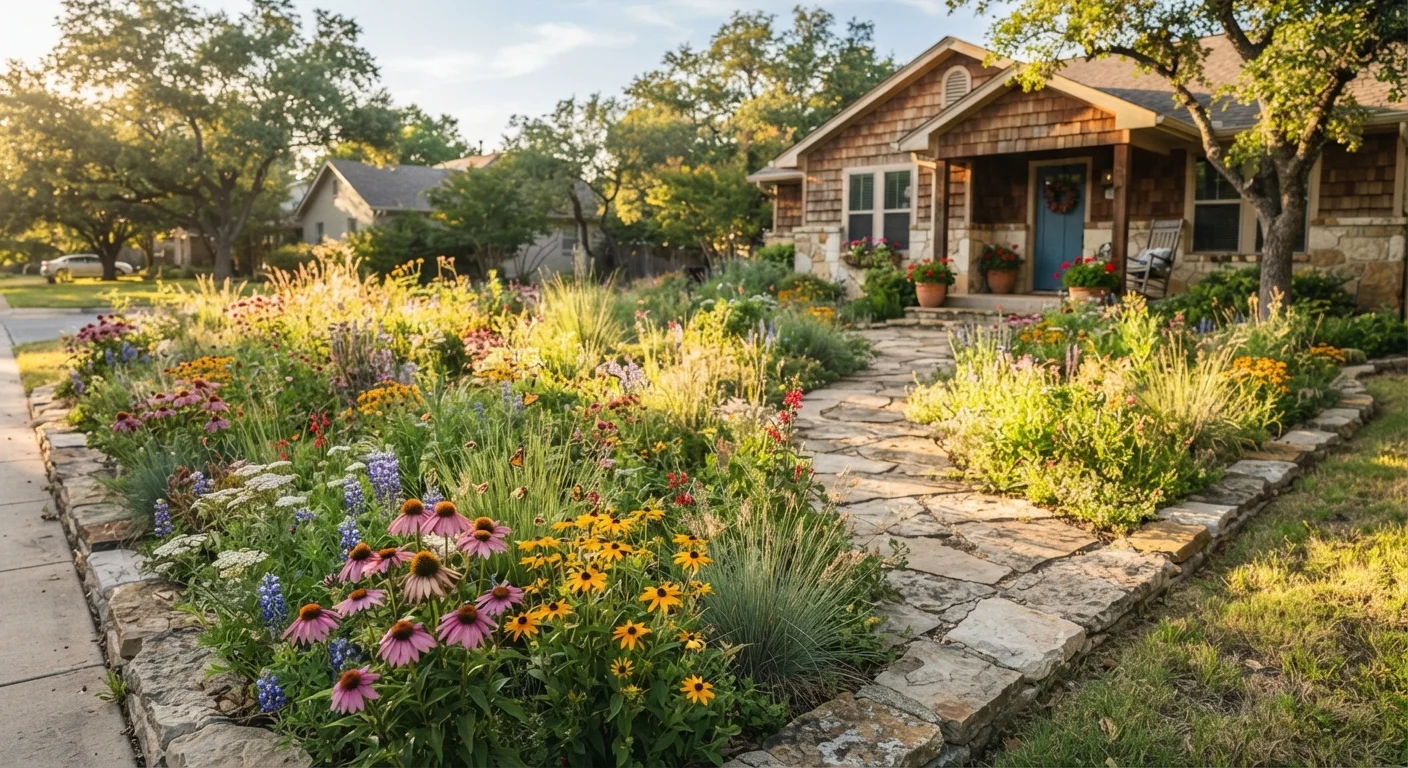
Photo: signaturehomeideas.com editorial
Key Takeaways
- Native plants evolved to match local climate and soil conditions, which reduces the inputs they need after establishment.
- They support local pollinators and wildlife in ways that many ornamental non-native plants cannot.
- Established native plantings typically require less irrigation than conventional lawn and garden plants.
- Nativity is region-specific: a plant must be native to your particular area to deliver the full ecological benefit.
- Local native plant societies, cooperative extension offices, and botanical gardens are reliable sources for regionally accurate plant lists.
What makes a plant truly native
The word 'native' gets used loosely in garden centers, which creates real confusion. A plant is native to a region when it established itself there through natural processes, not through deliberate or accidental human introduction. For most of North America, ecologists use the period before European settlement as the baseline.
That timeline matters because nativity describes a long relationship between the plant and everything around it: the soil microbes, the rainfall timing, the insects that pollinate it, and the birds and mammals that eat its seeds or fruit. A plant from Japan or Europe, however beautiful, does not share that history with North American ecosystems, even if it grows well in American gardens.
Because the United States spans dozens of distinct ecoregions, a plant can be native in one part of the country and entirely foreign in another. Black-eyed Susan (Rudbeckia hirta) is native across much of the Eastern and Central US but is considered introduced in parts of the West. This is why the advice to 'plant natives' always needs to be anchored to your specific region.
Why landscapers recommend them
Professional landscapers lean toward native plants for practical reasons, not just ecological ones. Once established, most native species require less supplemental watering because their root systems are adapted to local rainfall patterns. They also tend to resist local pest and disease pressure without chemical intervention, since local insects and pathogens evolved alongside them rather than finding them completely defenseless.
Reduced maintenance is a meaningful benefit for homeowners. A conventional lawn or a bed of non-native annuals demands regular fertilizing, irrigation, and replanting. A native plant bed, past its first establishment period, largely sustains itself through seasonal cycles.
Give plants time before judging results
Beyond the practical side, native plantings support local pollinators in a way that ornamental non-natives often cannot. Native bees, butterflies, and other insects frequently depend on specific plant genera for food or reproduction. Replacing even a portion of a conventional lawn with native groundcover or flowering plants can measurably increase pollinator activity in a yard.
For homeowners working through a larger landscape plan, the full landscape planning guide covers how to integrate native plant selections into a design that accounts for sight lines and year-round interest.
How to start incorporating native plants
A full yard conversion is not required. Starting with a single bed or a defined section of the yard is a practical way to learn how native species perform in your specific conditions before committing to a larger change.
The most reliable first step is to identify your ecoregion and get a plant list built for it. Your state cooperative extension service, local native plant society, or nearby botanical garden can provide regionally accurate recommendations. Avoid relying solely on general online lists, which may include species that are native to other parts of the country but not yours.
When selecting plants, factor in the actual conditions of your yard: sun exposure, soil drainage, and any existing trees that create shade. A plant that thrives in dry, sandy prairie soil will struggle in heavy clay. Match plants to conditions rather than amending the soil to match the plant, which defeats much of the low-maintenance benefit.
After planting, water consistently through the first growing season. This establishment period is when most native plants fail, not because they are poorly suited to the region, but because their roots have not yet reached the depth needed to access soil moisture independently. Once established, reduce irrigation gradually and observe how the plants respond before cutting back further.
Frequently Asked Questions
The content provided on our blog site traverses numerous categories, offering readers valuable and practical information. Readers can use the editorial team’s research and data to gain more insights into their topics of interest. However, they are requested not to treat the articles as conclusive. The website team cannot be held responsible for differences in data or inaccuracies found across other platforms. Please also note that the site might also miss out on various schemes and offers available that the readers may find more beneficial than the ones we cover.