

Vertical Space You're Probably Ignoring in Every Room

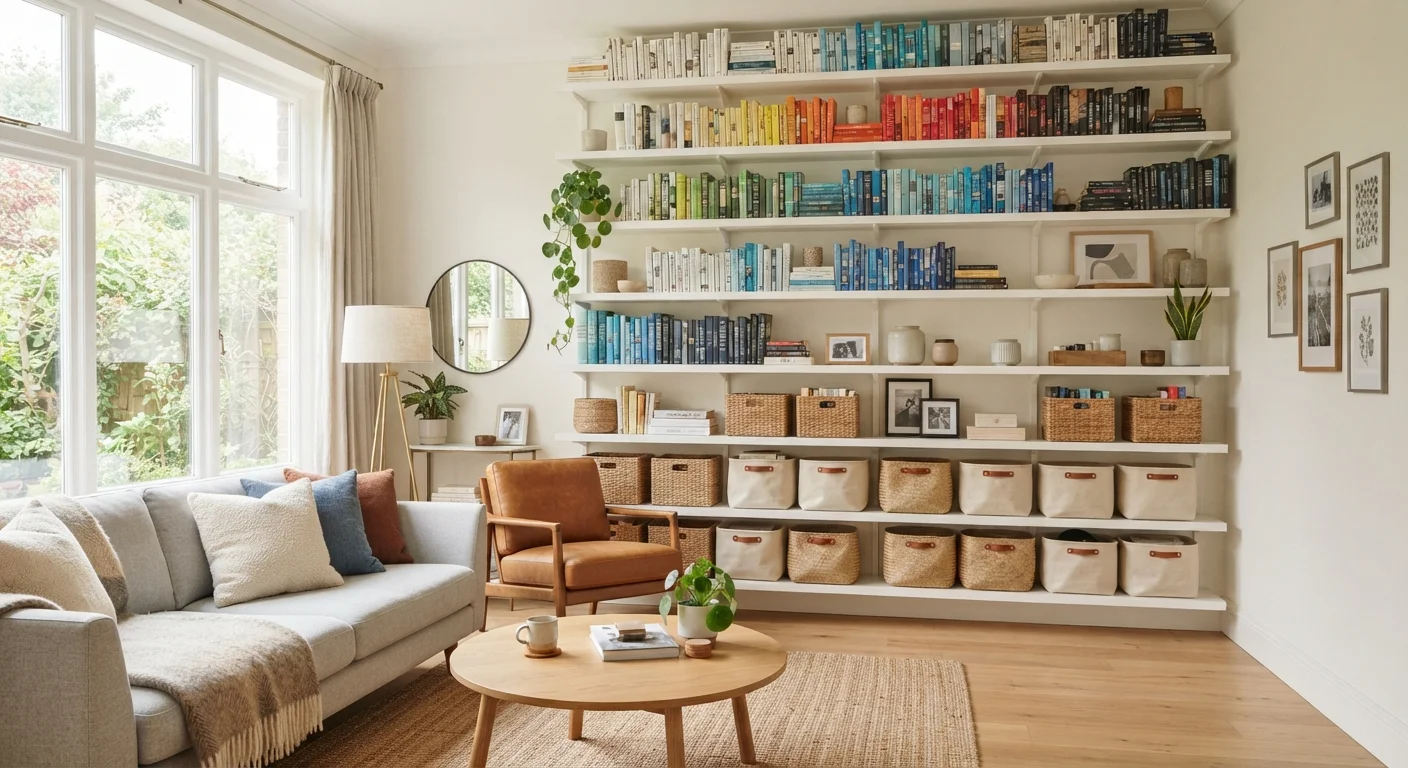
Photo: signaturehomeideas.com editorial
Key Takeaways
- Most rooms have several feet of unused vertical space above eye level that can hold shelving, hooks, or hanging storage.
- Door backs, wall strips, and ceiling-mounted rails can add meaningful storage without floor space.
- Anchoring wall-mounted storage correctly is essential for safety, especially above living areas.
- Vertical storage works best when items are grouped by frequency of use, with everyday items at arm's reach.
The wall space hiding in plain sight
Floor space is finite. In most homes, every square foot of floor is already spoken for by furniture, appliances, or traffic paths. Yet the walls in those same rooms often go bare from about shoulder height to the ceiling, sometimes four or five feet of unused surface in every direction.
Tapping that space does not require a renovation. It requires wall anchors, the right hardware, and a clear idea of what goes where. The tips below cover the most practical approaches room by room, with notes on load limits and installation safety so nothing ends up on the floor unexpectedly. For a broader look at how storage choices interact with layout, see furniture arrangement principles that work in any room.
Check weight ratings before you mount anything
Seven ways to put your walls to work
Float shelves above furniture, not just beside it
Most people mount a single shelf at eye level and stop there. A more useful approach stacks two or three shelves from just above a dresser or desk all the way to the ceiling. The upper shelves hold items used less often; the lower ones stay accessible. Floating shelves with concealed brackets look clean and work in living rooms, bedrooms, and home offices. Keep individual shelf loads within the anchor's rated capacity, usually listed on the packaging.
Stacking shelves from furniture height to the ceiling multiplies storage without touching the floor.
Use the back of every door
The back of a door is a flat, vertical surface that most rooms waste entirely. Over-door organizers with pockets or hooks work for pantry goods, cleaning supplies, shoes, craft materials, and bathroom toiletries. Look for models that hang over the door without hardware if you rent, or screw-mounted versions for a more permanent fit. Check that the door closes fully with the organizer loaded: some deeper pocket units catch on the door frame.
Every door back is a flat vertical surface most rooms leave completely empty.
Run a pegboard or wall strip in the kitchen or workshop
Pegboards and slotted wall strips accept interchangeable hooks, baskets, and small shelves. In a kitchen, a pegboard panel above the counter keeps frequently used utensils, cutting boards, and small pots within reach without occupying drawer or cabinet space. In a workshop or garage, the same system holds hand tools in a visible, consistent location. Mount the board on standoffs (small spacers) so hooks have room to seat properly and the wall surface stays undamaged.
A pegboard with interchangeable hooks turns a blank wall into a fully configurable storage surface.
Carry closet shelving all the way to the top
Standard closet systems often stop about a foot below the ceiling because that is where the original single shelf ended. Adding one more shelf in that gap, even a simple fixed shelf on brackets, creates a useful zone for luggage, out-of-season bedding, or infrequently used items in bins with labels. The small closet organizing guide covers full shelf layouts and how to combine hanging rods with upper shelf tiers.
The gap between the top closet shelf and the ceiling is often the most wasted space in the room.
Mount a ceiling rail in the kitchen or laundry room
Ceiling-mounted pot rails and drying racks hang from joists or blocking above, bringing heavy cookware or laundry off the counter and floor. A pot rail keeps pots and pans visible and accessible without cabinet space. A ceiling-mounted laundry drying rack pulls down when needed and folds flat against the ceiling when not in use. Both require fastening into solid structural members, not just drywall, so locate joists before drilling and use hardware rated for the intended load.
Ceiling-mounted rails move heavy or bulky items off counters and floors without using wall surface.
Add a tall, narrow bookcase in dead-end corners
Corner spaces beside doorways, at the end of hallways, or flanking a fireplace often go unused because standard furniture does not fit comfortably. A tall, narrow bookcase (12 inches deep or less) fits in these spots and reaches toward the ceiling without blocking traffic. In a bathroom, a freestanding tower cabinet works the same way for towels and toiletries. Anchor tall freestanding units to the wall to prevent tipping, following the anti-tip hardware instructions that come with most units.
A narrow tall bookcase in a corner or hallway end adds significant storage without entering the room's traffic path.
Use stair walls for built-in or surface-mounted storage
The angled wall alongside a staircase is one of the more consistently ignored surfaces in a home. Picture-ledge shelves, small floating shelves at varied heights, or shallow built-in cubbies along this wall use space that otherwise displays nothing. For rooms where visual clutter matters, keeping items in closed bins or baskets on stair-wall shelves keeps the area tidy. If the space under the stairs is accessible, that cavity works for deeper shelving or pull-out drawers, though any structural modifications to the stair framing should be reviewed by a qualified contractor.
The angled wall beside a staircase is one of the most consistently ignored storage surfaces in a home.
Making vertical storage last
The biggest reason vertical storage fails over time is overloading. Every shelf, rail, and hook has a weight rating set by the manufacturer and the anchor type used. Drywall anchors handle light loads well. Anything holding more than about 20 pounds per bracket should be fastened into wall studs, which typically sit 16 inches apart in wood-framed construction. A stud finder costs a few dollars and removes the guesswork.
Grouping items by how often you reach for them keeps vertical storage functional rather than decorative. Daily items belong between knee and shoulder height. Seasonal or rarely used items can live higher up, retrieved with a step stool. Organizing tight closet spaces follows the same logic inside enclosed areas. If your vertical storage push extends to the garage, a floor-to-ceiling garage storage guide covers overhead systems and wall-mounted options built for heavier loads.
This article is for informational purposes only. Always follow manufacturer weight ratings and consult a licensed contractor if you are unsure about structural anchoring or load-bearing capacity.
The content provided on our blog site traverses numerous categories, offering readers valuable and practical information. Readers can use the editorial team’s research and data to gain more insights into their topics of interest. However, they are requested not to treat the articles as conclusive. The website team cannot be held responsible for differences in data or inaccuracies found across other platforms. Please also note that the site might also miss out on various schemes and offers available that the readers may find more beneficial than the ones we cover.