

Container Gardening on a Patio or Balcony: What Actually Works

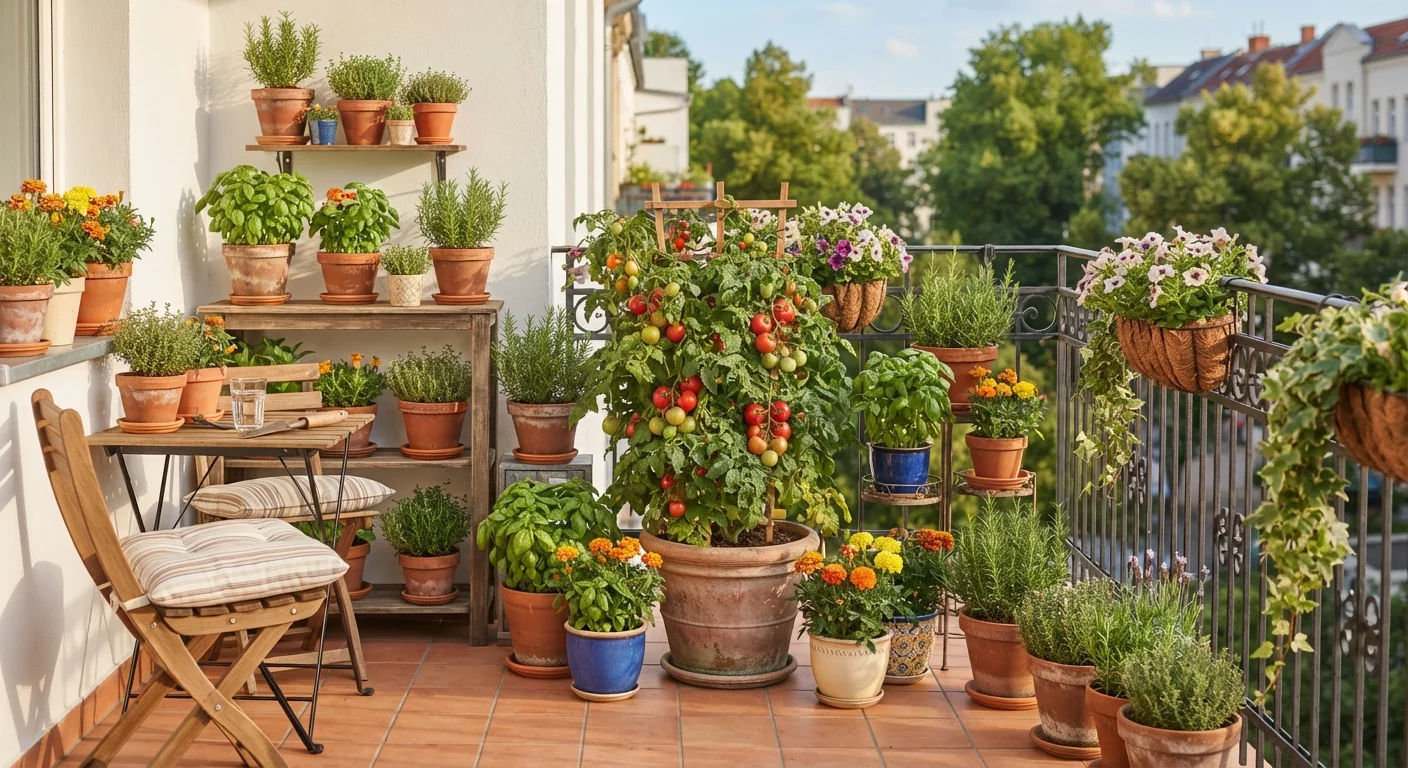
Photo: signaturehomeideas.com editorial
Key Takeaways
- Drainage holes are non-negotiable: standing water kills container plants faster than almost anything else.
- Potting mix, not garden soil, is the correct growing medium for containers.
- Container plants need more frequent watering than in-ground plants, sometimes daily in summer.
- Pot size determines what you can grow: most vegetables need at least 12 inches of depth.
- Weight matters on balconies: check your load rating before filling large containers with wet soil.
Why containers can outperform garden beds in some situations
A container garden is not a consolation prize for people without a yard. It offers real advantages: you control the soil from the start, you can move plants to follow sun or dodge frost, and you eliminate the weeding that comes with in-ground growing. For renters or homeowners with paved outdoor spaces, containers may be the only practical growing option.
The trade-offs are real too. Containers require more frequent watering, nutrients deplete faster, and root space is always limited. Understanding these constraints up front helps you choose plants that will actually thrive rather than struggle.
If you are also considering a traditional plot, a season-by-season vegetable garden walkthrough covers planning in-ground beds from scratch. Container gardening fits naturally into a broader outdoor living plan, including seating, lighting, and other patio features described in outdoor living ideas for modest backyards.
What you will need
What you will need
Containers with drainage holes
Hold growing medium and plants while allowing excess water to escape.
Potting mix
Provides the right structure, aeration, and nutrient base for container plants.
Slow-release granular fertilizer
Supplements nutrients that leach out of containers over time.
Watering can or hose with gentle nozzle
Delivers water evenly without disturbing roots or washing soil out.
Saucers or drip trays
Catch drainage water to protect surfaces and reduce balcony mess.
Moisture meter
Takes the guesswork out of deciding when to water.
Step-by-step setup
Assess your light and weight limits
Count how many hours of direct sun your space receives between 9 a.m. and 5 p.m. Vegetables and most herbs need at least 6 hours. Leafy greens and many flowers tolerate 4 hours. Shadow mapping matters: a roofline, railing, or neighboring wall can cut sun dramatically.
If you are on a balcony, contact your building's management or check your lease for the structural load rating. Wet potting mix in a large container can weigh 50 to 80 pounds or more. Spread weight across multiple smaller pots rather than one massive planter if you are unsure.
Choose the right container size
Most vegetables fail in containers because the pot is too small. Use these depth guidelines as a starting point:
- Herbs (basil, thyme, chives): 6 to 8 inches deep
- Lettuce, spinach, radishes: 8 to 10 inches deep
- Peppers, bush beans, chard: 12 inches deep
- Tomatoes, cucumbers, eggplant: 16 to 18 inches deep, minimum 5-gallon volume
Width matters too. A single determinate tomato plant needs a container at least 14 inches across. Crowding roots stunts growth and increases disease pressure.
Verify drainage before filling
Every container needs at least one hole at the bottom. If your pot came without holes, drill them with a masonry or standard drill bit depending on material. For a 12-inch pot, two or three half-inch holes are enough.
Skip the old advice of placing gravel at the bottom of pots. Research has shown this practice creates a perched water table inside the pot, keeping soil wetter, not drier. Fill directly with potting mix.
Fill with quality potting mix
Garden soil compacts in containers, cutting off air to roots. Use a bagged potting mix formulated for containers. These mixes typically contain peat moss or coco coir, perlite or vermiculite, and some initial fertilizer.
Mix in a slow-release granular fertilizer at the rate listed on its label. Because containers are watered frequently, nutrients leach out faster than in garden beds. The slow-release component sustains plants for several weeks without repeated feeding.
If you make compost at home, adding up to 20 percent finished compost by volume can improve moisture retention and add beneficial microbial activity. For a guide to making your own, see how to turn kitchen scraps into compost.
Plant at the right depth and spacing
Follow the depth guidelines on seed packets or plant tags. Tomatoes are an exception: they can be buried deeper than their original root ball because stems develop roots along their length.
Resist the urge to crowd plants. One healthy pepper plant in a 12-inch pot outperforms three cramped plants competing for the same space and moisture.
Set a watering routine
Container plants dry out faster than in-ground plants because their root zone is limited and exposed to air on all sides. In summer heat, small pots may need water once or twice a day. Check soil moisture by pushing a finger 1 inch deep: if it feels dry at that depth, water thoroughly until it drains from the bottom.
Morning watering is preferable. Wet foliage overnight can encourage fungal disease. If you travel or tend to forget, a simple drip irrigation timer connected to a hose bib can automate the process.
Feed plants through the season
Even with a slow-release fertilizer added at planting, container plants benefit from liquid feeding every two to three weeks once they begin flowering or fruiting. A balanced water-soluble fertilizer applied at half the recommended rate is less likely to cause nutrient burn than a full dose.
Watch leaf color for clues. Yellowing older leaves often signal nitrogen deficiency. Pale new growth can indicate iron or magnesium shortage. Adjust feeding if you see these signs, and check that soil pH is in the 6.0 to 7.0 range where most vegetables absorb nutrients well.
Grouping containers reduces watering frequency
Common problems and what causes them
Wilting despite wet soil usually means root rot from poor drainage or overwatering. Pull the plant, inspect roots, and cut away any black or mushy sections before repotting in fresh mix with better drainage.
Leggy, pale growth in an otherwise healthy-looking plant almost always points to insufficient light. Moving the container a few feet can make a significant difference if a partial obstruction is the cause.
Blossom drop on tomatoes and peppers is frequently tied to temperature swings. These plants set fruit reliably between roughly 55 and 85 degrees Fahrenheit. On a balcony with reflected heat from walls or glass, temperatures can spike well above that range midday. Shade cloth or moving containers away from heat-reflecting surfaces can help.
The content provided on our blog site traverses numerous categories, offering readers valuable and practical information. Readers can use the editorial team’s research and data to gain more insights into their topics of interest. However, they are requested not to treat the articles as conclusive. The website team cannot be held responsible for differences in data or inaccuracies found across other platforms. Please also note that the site might also miss out on various schemes and offers available that the readers may find more beneficial than the ones we cover.